Everyone is impacted by power, privilege, and oppression to some degree. I believe that awareness of your areas of privilege helps you to realize ways in which you benefit from your various privileges as well as how you might help those who need a boost. In school, we had to complete the ADDRESSING Framework for ourselves. It's a helpful tool. I challenge you to complete it and share it to start a dialogue. At the bottom, feel free to add other ways in which you believe that your life is easier or harder when compared with those around you. #ADDRESSINGchallenge
Age: I'm 31. I am privileged in that I am old enough to drink, vote, drive, and many other things. Though I lack the freedoms afforded to the youths due to the responsibilities of my age.
Development: (privilege) my intellectual and developmental are in line with my chronological age.
Disability: (privilege) I am able-bodied and in good health. I am able to enter buildings and use every day tools without requiring intervention. (Disadvantage) I am short and often need a stool or a helping hand. I also require prescriptive lenses and struggle with accurate depth perception. I take anti-depressants to combat anxiety.
Religion: (disadvantage) I am agnostic/atheist. I don't believe in a higher power or an after life. This is off-putting to many who would assume that I am a sinner or bad because of that.
Ethnicity: (privilege) I'm white. I had never been denied anything that I wanted because of my race. (Disadvantage) I have felt guilty or that people assumed the worst of me because of my appearance.
Socioeconomic status: (privilege) I'm middle class. I make a good wage and can always afford my bills plus the occasional splurge. I have almost no debt. (Disadvantage) I often worry about savings, and feel I need to save for the things I want.
Sexual orientation: (privileged) I a straight. I am attracted to the opposite gender, and have never worried that who I am attracted to will change how people see me or treat me.
Indigenous heritage: (disadvantage) I don't really know my heritage or the history of my family. I assume, because of my appearance and names that I am of European descent.
National Origin: (privilege) I live and am a legal citizen of the country in which I was born. I am afforded access to all the rights that go along with citizenship in the country I live.
Gender: I am a cisgender female. (Privilege) if you look at me my gender and pronouns are readily apparent. I do not get mistaken for a person of my gender. I am (relatively) comfortable in my body. I feel that it reflects who I believe myself to be. (Disadvantage) I have been denied access to things I want because I am a girl. I have had people call me hurtful names, cut me off, or treat me unfairly because I am a girl. I feel unsafe walking alone at night because of fear of attackers simply because of my appearance.
*I might add to this framework:
Political leanings: I am a democrat living in a liberal area of the country. I do not feel that my political leanings will be judged or disregarded. Though, I do have very closed loved ones who I interact with regularly who have starkly different political beliefs than I do. I have to work hard to check my values and beliefs and balance them with my love for those peoples along with my honesty to myself.
ETA: I also carry privilege in that I feel safe enough to post something of this nature without overwhelming fear of backlash or detrimental judgement.

Resisting the urge to grow up (on Mondays and more)
Showing posts with label My Hats. Show all posts
Showing posts with label My Hats. Show all posts
Wednesday, August 16, 2017
Saturday, October 17, 2015
Evolution of Imagination
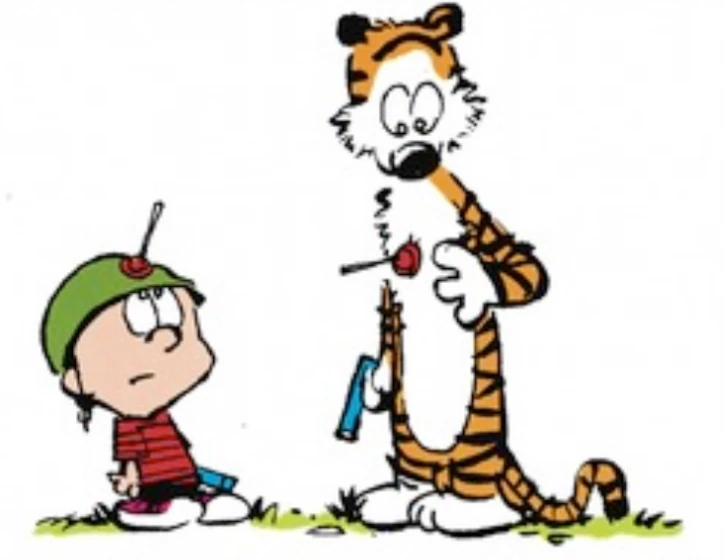
"Um..could we go for a stroll?" A delayed adolescent boy
asked me one day. Of course I agreed,
and as we walked he asked, “do you like imagination games?”
I replied with a resounding, “I LOVE imagination games!”
“Would you like to play my imagination game?”
If you’ve read my blog before (which you might not have because it’s been literally
forever since I’ve met you all here) this probably sounds like the beginning of
my perfect afternoon. Time spent outside, with a kiddo, playing an imagination
game, and exploring the themes he develops and works through. Um…yes please!
Unfortunately, this didn’t go the way I expected. The young teen walked me down to the football
field, and proceeded to tell me the rules to “the game I play in my head.” The game was called “Clash of Clans,” and if
you’re thinking that this is a game that already exists in tableland. You’re right where I am. Open-minded and optimistic, but confused.
***For the reader’s information - As I
understand it, Clash of Clans is the new equivalent to a point and click
adventure. While there is a back story
and one or more goals, the overall action of the game is to “tap” on different
parts of the map in order to collect whatever it is they are collecting. In order to play it, you basically sit and
watch the game play itself until it has produced something you can “tap” on.
Get it? Cool. On with the story!
Kiddo explains to me that we need to build the town barracks, fortress, or
some unspecified medieval edifice.
“So,” he says, “first we need to collect wood by chopping down those trees!” He points toward the northwest corner of our
line of sight, at about 50 degrees from midline.
“Great!” I energetically declare, as I grip my make believe axe and start to
swing.
“No, no!” he reprimands, as though I’m missing the obvious. “You just tap here and slide it.” Kiddo then
proceeds to “select” the same area he indicated prior, and slides it
horizontally on the same plane. This is
when I realize that the game he plays in his head is just that. It is a literal game, that he is playing in
his head. What happens next involves me essentially gaping at him as he seems
to project an invisible giant tablet into the foreground of his line of sight,
and continues to “tap” and “select” unforeseen areas of the map in order to
achieve some inexplicable goals.
He narrates the whole thing for me.
At times he asks for me to take on a task. He gets annoyed that I attempt to act it out
and explains to me, again as if I were an idiot, that I simply need to tap the
thing in the air I cannot see. In theory, I should be tracking it. It’s not all that complex. Instead, I notice my heart sinking. I feel
helpless. I become slightly annoyed with this game that “we” are playing. Suddenly, I start looking around for excuses
to interrupt the game. I grapple with
the tension between improving our relationship by allowing him to play, or
impeding our relationship by sitting with him for a full hour, irritated with
our activity. Eventually I claimed a
mixture of “it’s too bright outside for my eyes” (a lame but true fact for
those of us with blepharitis and no sunglasses) and “I think you should get
back to class so you don’t miss anything.”
Over the next several weeks I struggled with this memory. I love the unexpected and imaginative things
that kids do in their minds. It is my
favorite when they invite me to witness it.
I should find this delightful!
So, why did I find it so off-putting?
It wasn’t until recently that I put it all together. I was sitting with a different delayed
pre-adolescent. I was observing him to
use jenga blocks to create an entire world.
In front of me evolved what looked like a cityscape. The same wooden blocks were used as mortar
and as character. Blocks spoke to one
another, while more blocks constructed skyscapes around them. I was, to say the least, captivated. This was incredible. This kiddo was using his imagination to work
out issues. The conversation between his
humanoid blocks was rather unintelligible.
I have no idea if they were discussing world piece, impact of trauma on
world view, or just what ice cream they both like, but it doesn’t matter. This kid was practicing some very useful
skills. Whether or not he was aware of it, he was testing the limits of
reality, by using his imagination to play out some dynamic scenario.
This is play with a purpose. It is
how we learn about ourselves and the world, and it’s crucial. Many species do this. All you need to do is turn on national
geographic, and you are eventually bound to see some video of a polar bear, a
lion cub, or tiger pup using play to practice very necessary survival skills.
That’s the difference. The mind
tablet lacked utility. Kiddo was not
using play in the way it was developmentally intended. He was not practicing social skills. There were no social skills being used. The
game was entirely one sided. Even when I
participated, I had no idea what was going on, and he typically ended up taking
over for me. He wasn’t working through
survival skills. The clashing clans were warring with one another and
protecting their territory, but Kiddo just “watched” and then “tapped” when it
was over. The only thing I can see him
learning from this process is patience.
The work was definitely not hard, and the topics were flagrantly simple.
My sadness and irritation then comes to the question of why? Play exists to help us learn, and kids are
incredibly adaptive. Which, means that
this kiddo has got to be working through something, and I don’t understand
it. This leaves me wondering if I have reached
that very depressing aspect of adulthood when I no longer understand “kids
these days.” Or worse, is this the work of modern children? Is it becoming a 2-dimensional and
nonreciprocal world of “sit and wait,” or “tap and slide”? How painfully sad
would it be if children physically reenacting stories turned instead into watching
flat projections that no one can see and engage them with? Is our
thinking becoming more and more 2-dimensional? Or have I lost my ability to connect?
Wednesday, June 4, 2014
Readiness to Change
I give my dad a lot of flack and some mild public flogging for the excessively rational manner in which he raised me. My all time favorite thing to razz him about is the time he tried to coax a much younger me off the side of a mountain by telling me I could choose to stay there forever. As an adult, I think back on this encounter and cannot believe someone would say something like that to a child. However, it was so effective that I have since made it my goal to attempt this paradoxically supportive intervention.
Several years ago I saw my first opportunity. I was working with an oppositional 6 year old boy. We had gone out to a special playground for the afternoon. At some point in the day, he had managed to climb down into the middle of a cylindrical ladder and was pretending to be a caged prisoner. When it was time to leave for the day, we cued all the children to line up. After the chaos of transition, we counted all the little heads and determined we were one short. When I went to find him, he was claiming to be "stuck" inside the barred structure; citing fear to leave. I did what I could to support and encourage him, but it quickly became apparent that his "fear" was more related to a distaste for the end of play time. So, I changed my tact.
"Look dude," I said. "The way I see it, you have two choices. You could choose to stay out here forever, bu-"
"Fine," he cut me off.
Startled, I stammered "but, like, what if you have to go to the bathroom?"
"Okay," he said flatly. He was still fairly young and thus unconcerned with voiding outside a restroom.
"Um...who's going to feed you though?"
"I don't know," he said with a startling degree of ambivalence. The idea that someone might not was not a reality in his mind.
I attempted to persuade him into seeing that there were better choices available to him. However, his developmental state did not allow for getting past the idea that he could choose to stay on the playground forever. I had inadvertently given him permission to defy my expectations. We were screwed. Ultimately, I admitted defeat, and wound up calling my supervisor for back up. She came right out and began the slow but ominous count to three. Problem solved.
Lesson learned. The intervention is a particularly complex one that requires a significant degree of skill and the right kind of child to be able to hear the underlying message. So, I tucked it back into my memory and set it aside for refinement and later use.
Then the time came.
Not long ago, I found myself hanging out with a particularly anxious young woman who had recently learned of an upcoming transition. We sat together as she lamented the difficulty inherent in change. I listened to her express fear of possible failure upon adjusting to something new. I validated her feelings and praised her for past ability to manage herself; attempting to remind her this was not her first experience with change. She continued to evidence worries and concerns to the tune of "what if I can't do it?" "What if nobody likes me?" "What if it's hard?" "What if it's scary?" Allowing me to challenge her on all of these concerns but not yet feeling confidence in herself, she joking declared that she was going to wrap her arms around a nearby structural pillar and refuse to leave her present location.
"You could definitely try it," I smiled.
"Really?!" She looked at me with widened eyes, baffled by my response.
"In fact," I offered up. "let's do it together." I stood up and started to walk towards the identified pillar. My friend remained stationary; staring at me with a perplexed expression.
"But you know," I stopped and turned back toward her. "What are we going to do when you get hungry?"
She shrugged.
"I mean, I guess we could probably arrange for someone to bring you food, but that's probably going to make you feel guilty.
No response, minus a slight smile.
"And, what about when you have to go to the bathroom?"
She knit her eyebrows and slumped her shoulders, an expression I had grown to recognize as irritation with a good point. So, I sat back down and continued in a playful manner.
"Even if we figure that out, eventually the paint on the building is going to chip. Then you're going to get paint chips in your hair, and the maintenance team is probably going to need to fix it, which will result in them trying to physically pry you off, and that sounds awkward."
Her affect started to brighten. Together we began to laugh and joke about the various different factors that would make her release her grip on the building. As the conversation dwindled, I looked her in the eye and delivered the moment of insight I had come to after that cold day on the mountain so many years ago:
"My point is, no matter how bad you want to hang on, eventually something will happen and you will feel ready to let go. It may not be because you want to, and it may not be until after it happens, but eventually you're going to realize that you were ready for a change."
 |
| Image found here |
Several years ago I saw my first opportunity. I was working with an oppositional 6 year old boy. We had gone out to a special playground for the afternoon. At some point in the day, he had managed to climb down into the middle of a cylindrical ladder and was pretending to be a caged prisoner. When it was time to leave for the day, we cued all the children to line up. After the chaos of transition, we counted all the little heads and determined we were one short. When I went to find him, he was claiming to be "stuck" inside the barred structure; citing fear to leave. I did what I could to support and encourage him, but it quickly became apparent that his "fear" was more related to a distaste for the end of play time. So, I changed my tact.
"Look dude," I said. "The way I see it, you have two choices. You could choose to stay out here forever, bu-"
"Fine," he cut me off.
Startled, I stammered "but, like, what if you have to go to the bathroom?"
"Okay," he said flatly. He was still fairly young and thus unconcerned with voiding outside a restroom.
"Um...who's going to feed you though?"
"I don't know," he said with a startling degree of ambivalence. The idea that someone might not was not a reality in his mind.
I attempted to persuade him into seeing that there were better choices available to him. However, his developmental state did not allow for getting past the idea that he could choose to stay on the playground forever. I had inadvertently given him permission to defy my expectations. We were screwed. Ultimately, I admitted defeat, and wound up calling my supervisor for back up. She came right out and began the slow but ominous count to three. Problem solved.
Lesson learned. The intervention is a particularly complex one that requires a significant degree of skill and the right kind of child to be able to hear the underlying message. So, I tucked it back into my memory and set it aside for refinement and later use.
Then the time came.
Not long ago, I found myself hanging out with a particularly anxious young woman who had recently learned of an upcoming transition. We sat together as she lamented the difficulty inherent in change. I listened to her express fear of possible failure upon adjusting to something new. I validated her feelings and praised her for past ability to manage herself; attempting to remind her this was not her first experience with change. She continued to evidence worries and concerns to the tune of "what if I can't do it?" "What if nobody likes me?" "What if it's hard?" "What if it's scary?" Allowing me to challenge her on all of these concerns but not yet feeling confidence in herself, she joking declared that she was going to wrap her arms around a nearby structural pillar and refuse to leave her present location.
"You could definitely try it," I smiled.
"Really?!" She looked at me with widened eyes, baffled by my response.
"In fact," I offered up. "let's do it together." I stood up and started to walk towards the identified pillar. My friend remained stationary; staring at me with a perplexed expression.
"But you know," I stopped and turned back toward her. "What are we going to do when you get hungry?"
She shrugged.
"I mean, I guess we could probably arrange for someone to bring you food, but that's probably going to make you feel guilty.
No response, minus a slight smile.
"And, what about when you have to go to the bathroom?"
She knit her eyebrows and slumped her shoulders, an expression I had grown to recognize as irritation with a good point. So, I sat back down and continued in a playful manner.
"Even if we figure that out, eventually the paint on the building is going to chip. Then you're going to get paint chips in your hair, and the maintenance team is probably going to need to fix it, which will result in them trying to physically pry you off, and that sounds awkward."
Her affect started to brighten. Together we began to laugh and joke about the various different factors that would make her release her grip on the building. As the conversation dwindled, I looked her in the eye and delivered the moment of insight I had come to after that cold day on the mountain so many years ago:
"My point is, no matter how bad you want to hang on, eventually something will happen and you will feel ready to let go. It may not be because you want to, and it may not be until after it happens, but eventually you're going to realize that you were ready for a change."
Monday, February 10, 2014
My Hats: The Asshole
Today, I am an asshole. I am the bearer of bad news. I am the nay-sayer, and the barrier to fulfilled wishes.
This is the nature of my work. I am so many things to so many different people, and generally that is okay. For the most part, I'm able to acknowledge my varying head wear and done it accordingly. In fact, the variety serves as a protective force for me. In one day I can be a savior, an attachment figure, an authority figure, and a friend.
The peculiar paradox is the difficulty inherent in the days marked by consistency. Today was one of those days. I got to wear one hat today. I wore it all day long, and that took a toll on me. It's hard to wear the bad guy hat for a sufficient length of time and not internalize it. Eventually, it wears on you.
While I know that I am not truly a bad guy, and I understand that I am far from being an asshole, it's how I feel today.
 |
| Image found here |
The peculiar paradox is the difficulty inherent in the days marked by consistency. Today was one of those days. I got to wear one hat today. I wore it all day long, and that took a toll on me. It's hard to wear the bad guy hat for a sufficient length of time and not internalize it. Eventually, it wears on you.
While I know that I am not truly a bad guy, and I understand that I am far from being an asshole, it's how I feel today.
Wednesday, December 4, 2013
What I Am
I spend a lot of time thinking about what I represent to others, and I recognize that it's a lot of things.
For some people I represent The Answer. I am the authority that holds the knowledge that gives insight. For other people I am The Power. I hold the keys to the doors that get you toward what you need and away from what you hate. They do not see me. Their thoughts tell them all they need to know.
Some people believe I am The Innocent. I am a youthful representation of freedom and ignorance. When some see my size, stature, and appearance, they assume I am without wisdom, skills, or know-how. They don't hear me. Their perception tells them who I am.
There are those who see me as The Maternal. I am The Savior. I am The Nurturer. I am the person who holds people when they cry. I am the one who makes everything all better. Then I am the one who flees when there's a need. I am The Abandoner. I am The Perfect Bitch. I am the Spoiled Child. I am The Privileged One. There are those who believe I represent everything they are not or cannot have. I am a reminder of pain and misfortune. They have no sense of me. Their history and experience forms their impression of me.
There are also those in my life who clearly see me as The Hope. I have been inexplicably called The Favorite in a variety of realms. I represent Something That Could Be. I have the skills or the prowess to turn things around, to enact change, to make things better. These people hear me selectively. I cannot ask them for help, because they do not perceive me to need it.
There are others who perceive me as The Needy. The Distant. The Reactive. The Disengaged. The Nosey; Over-involved.
I am a variety of things to a wider variety of people. I am The Projected. The Absent. The Superimposed. I spend the vast majority of my day, my week, and my life filling the role I am assumed to have given the situation, relationship, and context. I represent what I am to individuals, groups, and systems. I try my best to work with this, but it is so moment to moment, that much of my life I find myself assessing what I am in each specific scenario, and I forget to ask myself what I truly represent.
Representing so much to so many, leaves me forgetting who I actually am. What is my role to me? What do I want to be? Who am I to me? Who even knows?
 |
| Image Found Here |
Some people believe I am The Innocent. I am a youthful representation of freedom and ignorance. When some see my size, stature, and appearance, they assume I am without wisdom, skills, or know-how. They don't hear me. Their perception tells them who I am.
There are those who see me as The Maternal. I am The Savior. I am The Nurturer. I am the person who holds people when they cry. I am the one who makes everything all better. Then I am the one who flees when there's a need. I am The Abandoner. I am The Perfect Bitch. I am the Spoiled Child. I am The Privileged One. There are those who believe I represent everything they are not or cannot have. I am a reminder of pain and misfortune. They have no sense of me. Their history and experience forms their impression of me.
There are also those in my life who clearly see me as The Hope. I have been inexplicably called The Favorite in a variety of realms. I represent Something That Could Be. I have the skills or the prowess to turn things around, to enact change, to make things better. These people hear me selectively. I cannot ask them for help, because they do not perceive me to need it.
There are others who perceive me as The Needy. The Distant. The Reactive. The Disengaged. The Nosey; Over-involved.
I am a variety of things to a wider variety of people. I am The Projected. The Absent. The Superimposed. I spend the vast majority of my day, my week, and my life filling the role I am assumed to have given the situation, relationship, and context. I represent what I am to individuals, groups, and systems. I try my best to work with this, but it is so moment to moment, that much of my life I find myself assessing what I am in each specific scenario, and I forget to ask myself what I truly represent.
Representing so much to so many, leaves me forgetting who I actually am. What is my role to me? What do I want to be? Who am I to me? Who even knows?
Subscribe to:
Comments (Atom)
